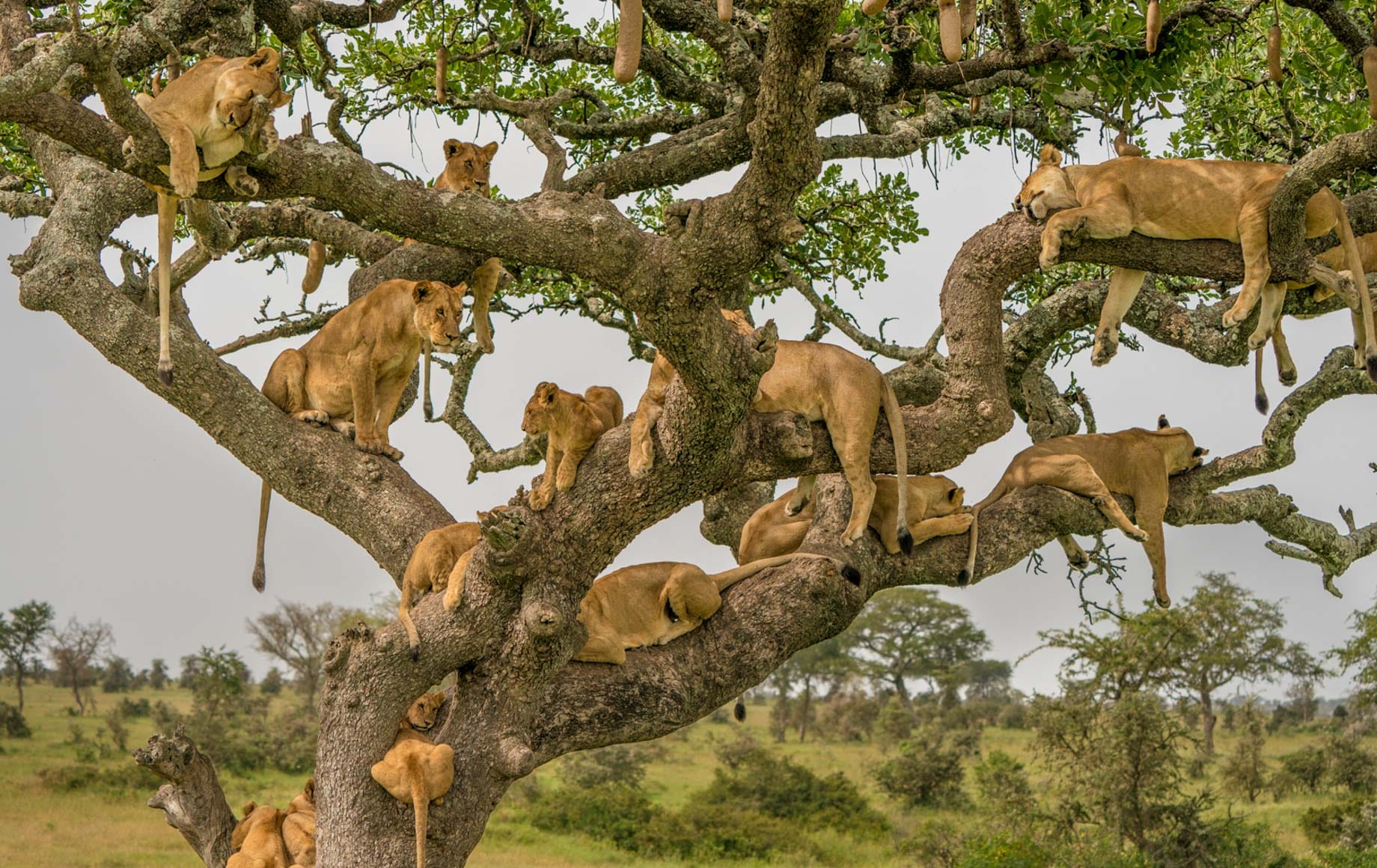
Predator country
Big Cats of the Plains
Seronera's river valleys and open grasslands provide some of Africa's finest opportunities to observe lion, leopard and cheetah.
A vast living landscape where big cats rule, great herds move with the seasons and every horizon holds another story.
The Serengeti is one of Africa's most celebrated wildernesses: an immense ecosystem of grasslands, acacia woodland and riverine forest stretching across northern Tanzania. Its wildlife is extraordinary, but its true luxury lies in space—the freedom to follow the day slowly, guided by the movement of animals and the changing light.
More than a single spectacle, the Serengeti reveals itself through intimate encounters, seasonal movement and landscapes that seem to continue forever.
Seronera's river valleys and open grasslands provide some of Africa's finest opportunities to observe lion, leopard and cheetah.
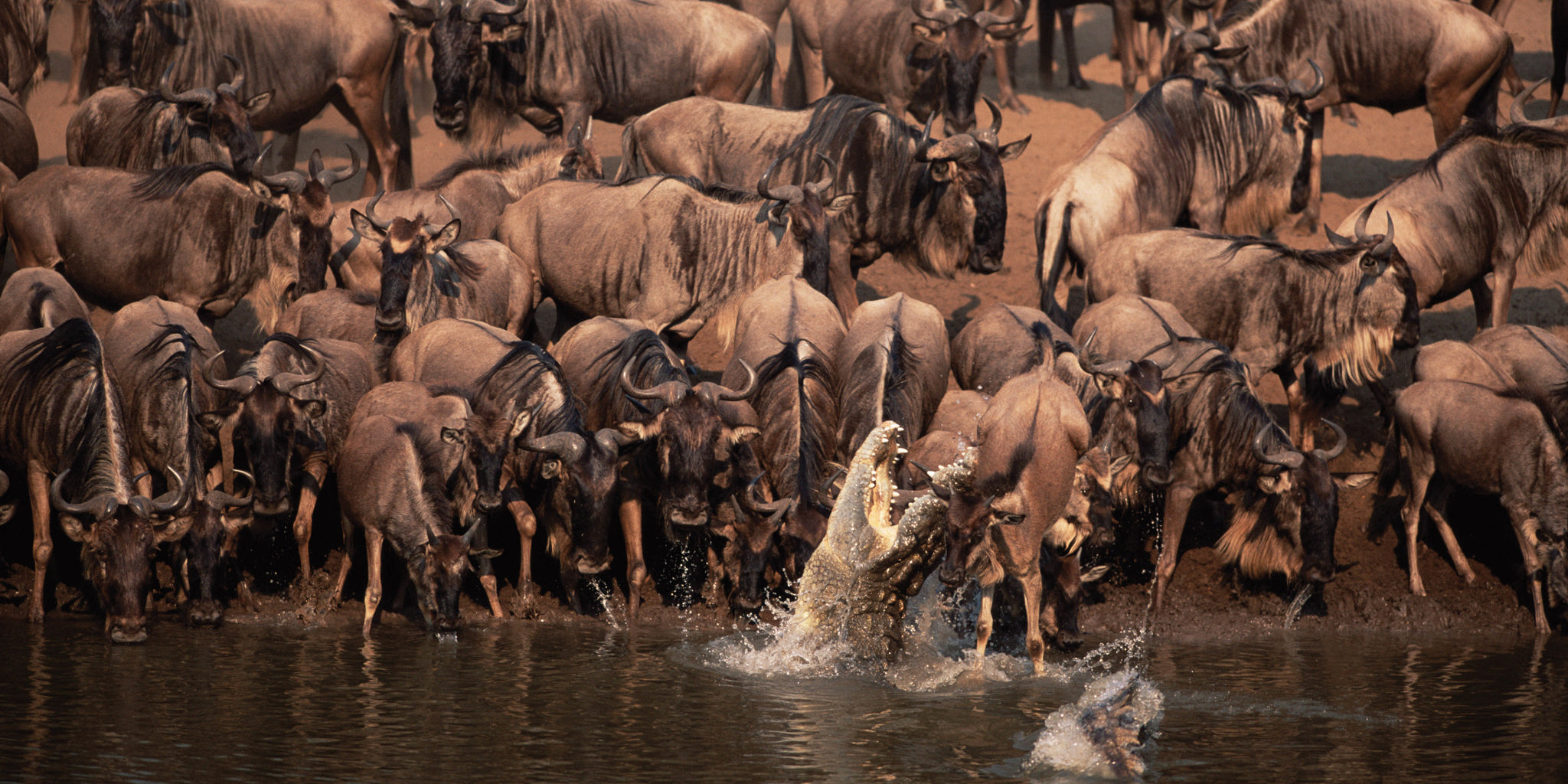
Wildebeest and zebra follow rain and fresh grazing through an ancient annual cycle.
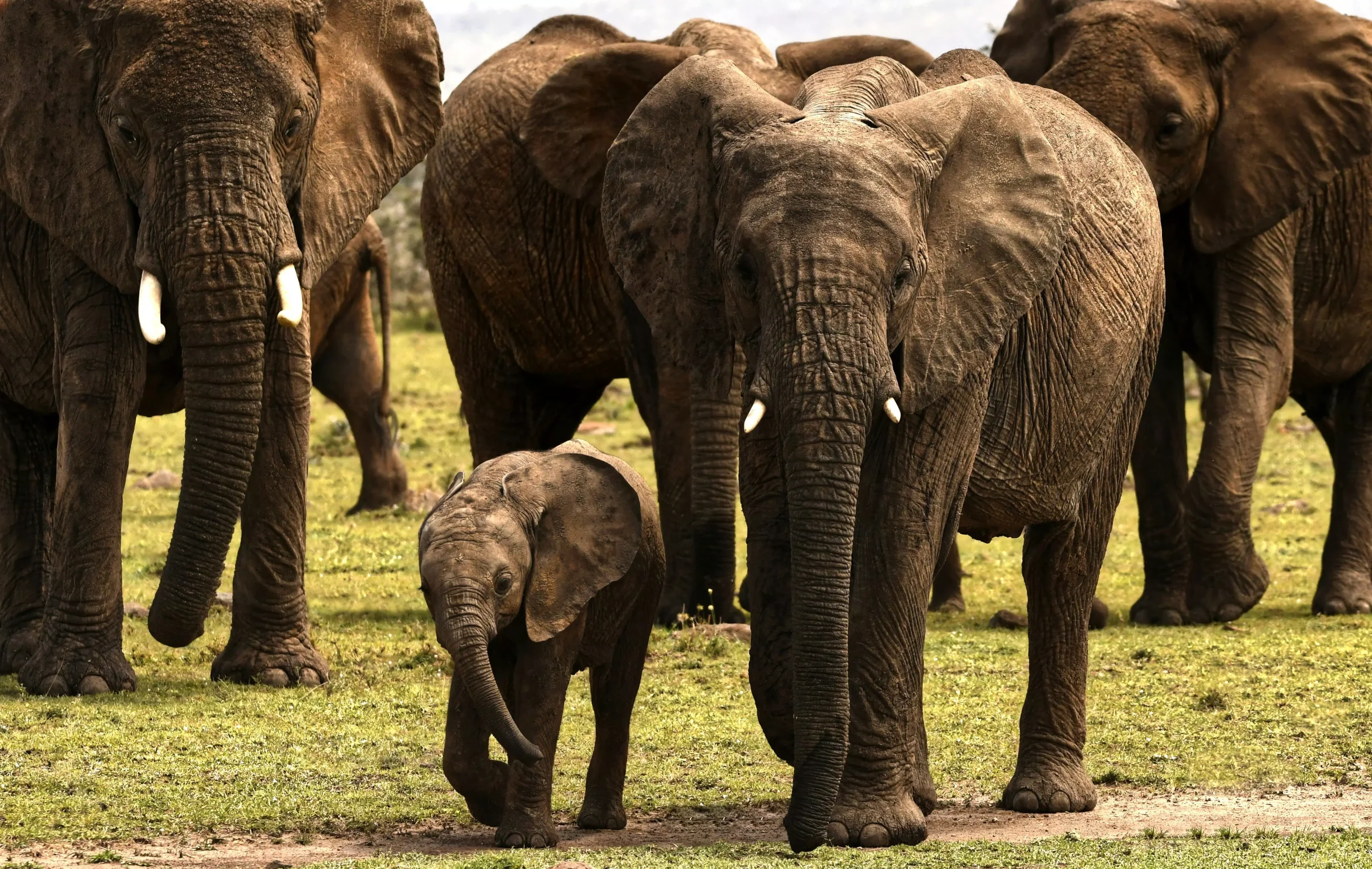
Quiet mornings, distant horizons and the stillness between encounters are part of the experience.
Each region has its own rhythm. The right place depends on the season, the wildlife and the kind of journey you want to experience.
River valleys, open plains and exceptional resident wildlife make the Central Serengeti rewarding throughout the year—particularly for big-cat encounters.
Between July and October, migrating herds gather in the north and may attempt dramatic crossings of the Mara River.
Woodlands, riverine forest and the Grumeti River create a distinctive setting for the migration from roughly May into July.
From January to March, short-grass plains become the stage for calving season, attracting large herds and intense predator activity.
The Serengeti is a year-round destination. Your ideal timing depends on whether you value migration drama, green landscapes, fewer vehicles or classic dry-season wildlife viewing.
Lush southern plains, calving herds and abundant predator activity around Ndutu.
Excellent wildlife visibility, cooler days and migration movement towards the west and north.
Fresh landscapes, dramatic skies and returning herds with fewer visitors in many areas.
These itineraries are starting points. Every safari can be adjusted around your dates, pace and preferred style of accommodation.
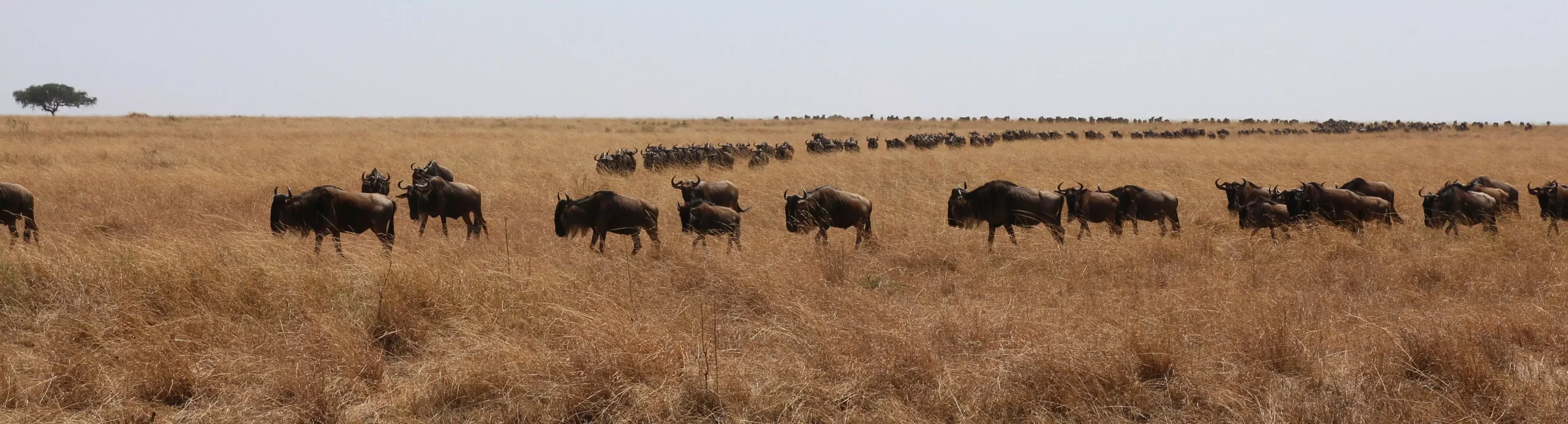
Follow the great herds towards Kogatende and the Mara River with time for rewarding northern wildlife viewing.
Explore Journey →Explore the Grumeti region as migrating herds move through woodland, riverine habitat and open plains.
Explore Journey →Witness newborn wildebeest, gathering herds and exceptional predator encounters across the southern plains.
Explore Journey →Tell us when you hope to travel and what you want to experience. Our local safari specialists will create a private journey around you.
Plan My Serengeti Safari →